Staff Reporter
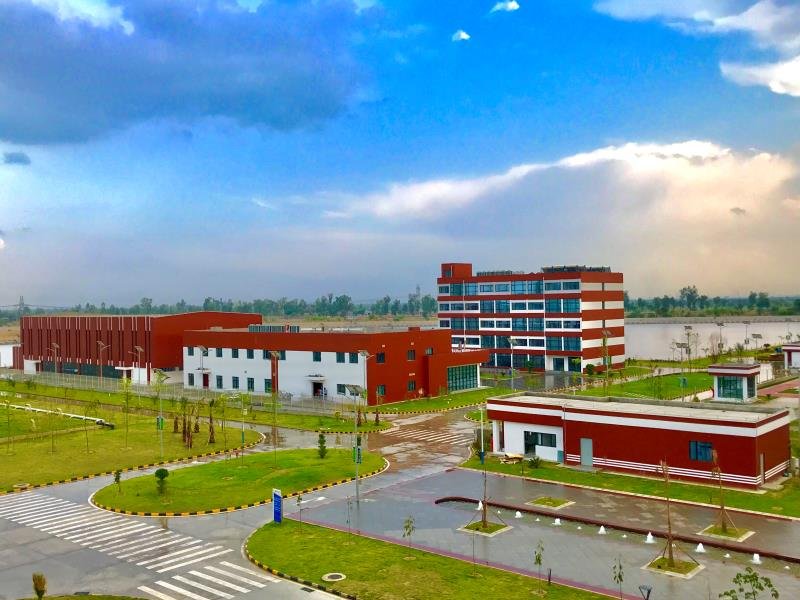
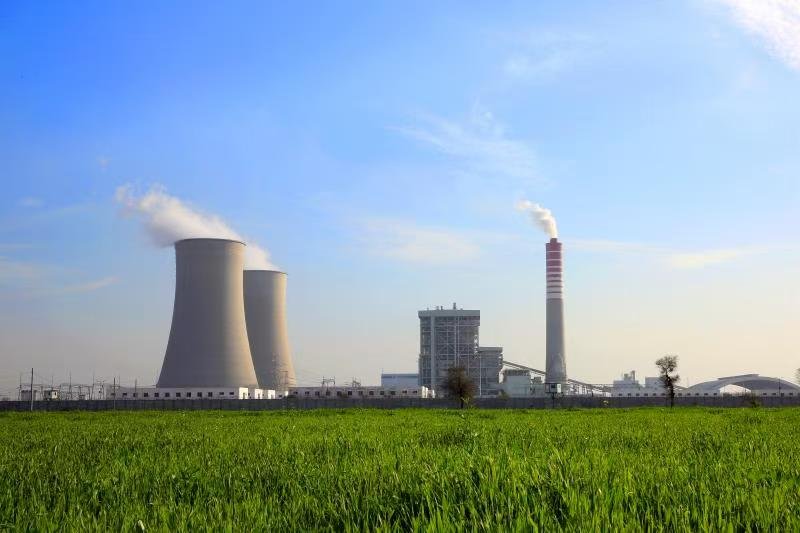
SAHIWAL: The development of energy infrastructure under the China Pakistan Economic Corridor has significantly transformed Pakistan’s power sector, and one of the most prominent examples of this collaboration is the Sahiwal Coal Fired Power Plant. This project represents not only a milestone in electricity generation but also a unique workplace where employees from different cultural backgrounds work together in a highly technical and demanding environment. The plant was developed with the cooperation of Chinese investors and Pakistani professionals, bringing together engineers, technicians, administrative staff, and operational personnel from both countries. While this collaboration has greatly contributed to technological advancement and power generation stability, it has also created a diverse workforce with varying cultural values, communication styles, and workplace expectations. In such a setting, the Human Resources (HR) department plays a critical role in ensuring effective cross cultural integration. The HR department focused on creating what could be described as a shared professional culture. Instead of trying to change how either group worked, HR aimed to create a balanced environment where both sides could work comfortably while focusing on common objectives. One practical step was introducing a unified performance evaluation approach that focused more on measurable results rather than the style in which tasks were completed. By concentrating on clear targets such as maintaining the plant’s 1,320 MW power generation capacity employees from both cultures were able to focus on shared outcomes rather than differences in working methods. This approach helped reduce potential cultural misunderstandings and gradually built a workplace environment where efficiency, teamwork, and mutual respect became the primary focus. HR serves as a bridge between local and foreign employees. Chinese professionals often bring a work culture that emphasizes discipline, structured hierarchy, and efficiency, while Pakistani employees typically value interpersonal communication, flexibility, and relationship based teamwork. Without proper coordination, these differences could potentially lead to misunderstandings or operational inefficiencies. Therefore, HR departments must design policies and workplace practices that promote mutual respect and understanding. At the Sahiwal power plant, where continuous operations are essential for maintaining stable electricity supply, the ability of employees to work cohesively is directly linked to the plant overall performance. By promoting cross cultural awareness, setting clear professional expectations, and encouraging inclusive workplace practices, HR plays a vital role in ensuring that employees from different cultural backgrounds function as a unified team.
Another key responsibility of HR at the Sahiwal Coal Fired Power Plant is facilitating effective communication between Chinese and Pakistani employees. Language barriers and differences in communication styles can sometimes create challenges in technical coordination, especially in an industrial setting where safety, accuracy, and efficiency are critical. To address these challenges, HR departments often encourage training initiatives that enhance communication skills among employees. For example, English language training for operational staff or basic Chinese language exposure for local employees can significantly improve daily workplace interactions. Orientation programs for newly recruited employees also help them understand workplace expectations, safety standards, and cultural sensitivities within the organization. In a coal fired power plant environment, where operations involve complex machinery and strict safety regulations, teamwork and coordination are essential. HR departments therefore promote team building activities and collaborative platforms that allow employees from different departments and cultural backgrounds to interact more effectively. Informal interactions, joint meetings, and cross departmental cooperation can gradually reduce cultural barriers and build trust among employees. When individuals understand each other’s working styles and cultural perspectives, communication becomes more efficient and workplace relationships become stronger. In this way, HR acts not only as an administrative function but also as a facilitator of organizational harmony and operational efficiency.
Beyond communication and cultural awareness, HR at the Sahiwal Coal Fired Power Plant also plays a strategic role in workforce development and long term organizational sustainability. One of the important goals of such international energy projects is the transfer of technical knowledge from experienced foreign engineers to local professionals. HR departments help facilitate this process by supporting structured training programs, mentorship initiatives, and on the job learning opportunities that allow Pakistani engineers and technicians to develop advanced technical competencies. Over time, this approach strengthens the local workforce and contributes to the overall development of Pakistan energy sector. HR also manages performance evaluation systems that ensure fairness, transparency, and merit based recognition for employees regardless of cultural background. In addition, employee welfare and conflict management are crucial aspects of maintaining a healthy workplace in a multicultural environment. Differences in work habits, lifestyles, and social customs can sometimes lead to misunderstandings if not handled carefully. HR departments must therefore establish clear grievance handling procedures and provide support mechanisms to resolve issues in a professional and respectful manner. Activities that promote cultural exchange such as celebrating national festivals, organizing employee engagement programs, and encouraging social interaction can also strengthen workplace relationships. Ultimately, successful cross cultural integration contributes to improved productivity, stronger teamwork, and higher employee satisfaction. As one of the flagship energy projects under the China–Pakistan Economic Corridor, the Sahiwal coal fired power plant demonstrates how effective HR practices can transform cultural diversity into a source of organizational strength, ensuring that employees from different backgrounds work together efficiently to support reliable power generation and long term operational success.