
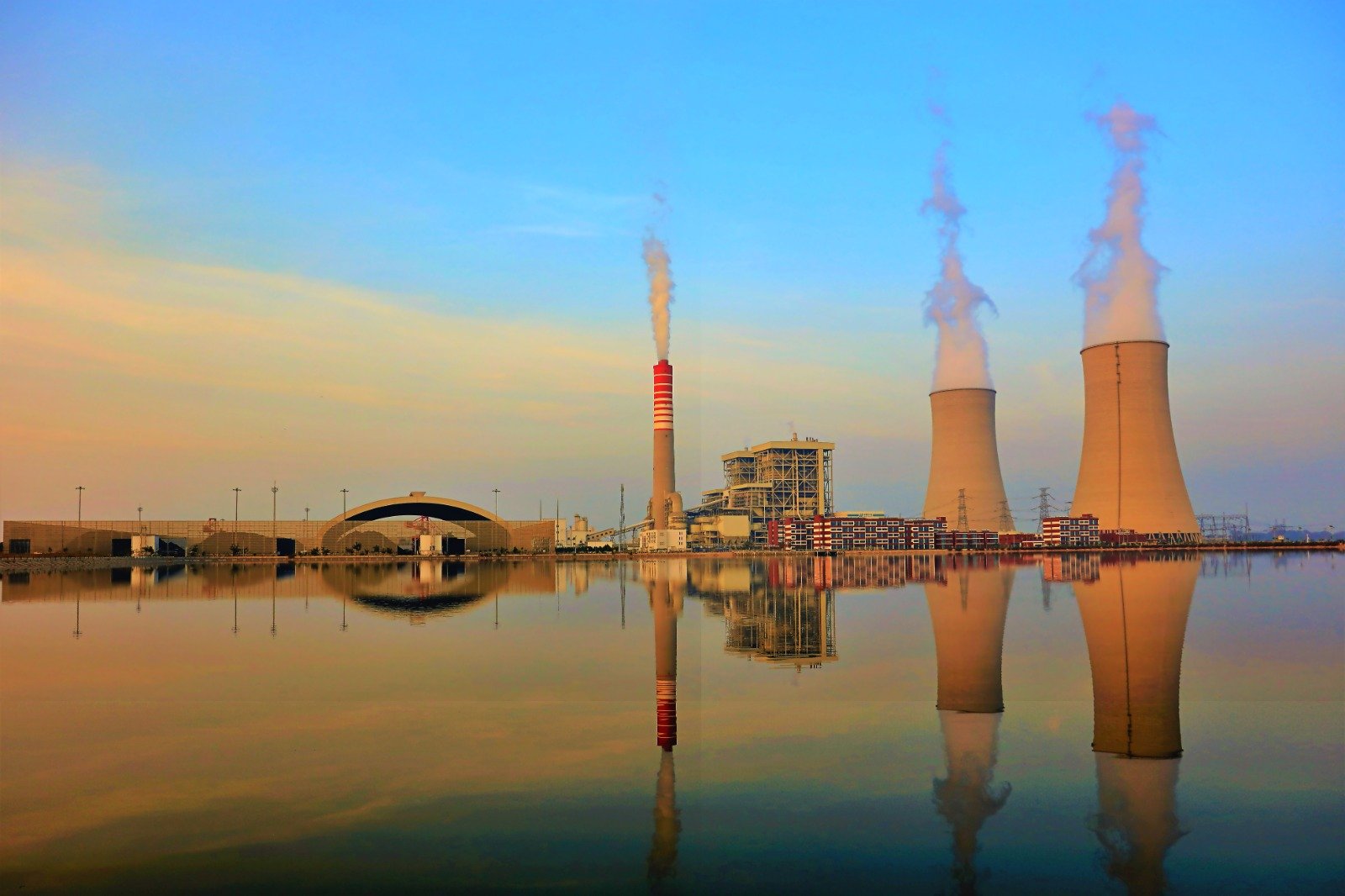
SAHIWAL: The 1320MW Sahiwal Power Plant has received two significant pieces of positive news from National Electric Power Regulatory Authority (NEPRA), marking an important chapter in the plant’s operational and regulatory journey.
First, NEPRA formally accepted the plant’s explanation in connection with the nationwide blackout of 23 January 2023 and closed the inquiry without imposing any penalty. Second, the plant achieved its highest-ever score in the Annual Health, Safety & Environment (HSE) Audit for the year 2024–2025, securing an outstanding 96 marks — the best performance in its operational history.
Together, these two developments reflect strong technical governance, regulatory compliance, and a deep institutional commitment to safety and operational excellence.
Closure of Blackout Inquiry: A Technical and Regulatory Success
The nationwide blackout of 23 January 2023 was one of the most serious power system disturbances in Pakistan’s recent history. Following the incident, NEPRA initiated detailed proceedings to determine whether generation companies had complied with the directions of the National Power Control Centre (NPCC) during system restoration.
In its preliminary findings, NEPRA alleged that although supply at the plant bus bar had been restored at 22:21 hours on 23 January 2023 and a Notice to Synchronize (NTS) was issued at 06:24 hours on 24 January 2023, Unit-1 and Unit-2 were synchronized at 07:35 hours and 20:25 hours respectively. The Authority initially viewed these intervals — 1 hour 11 minutes for Unit-1 and 14 hours 01 minutes for Unit-2 — as delays that could have hampered grid restoration.
Given the seriousness of the nationwide outage, the matter carried substantial regulatory and reputational implications. However, during formal proceedings, the plant provided a detailed, fact-based explanation supported by operational logs, technical data, and references to applicable grid codes and safety standards.
The core of the defense demonstrated that a total system collapse creates conditions entirely different from routine warm-start operations. Under blackout conditions:
* Auxiliary systems must be gradually stabilized before synchronization.
* Protection interlocks and safety mechanisms must be verified to prevent catastrophic damage.
* Turbine and boiler parameters must meet strict thermal and mechanical thresholds.
* Grid stability conditions must be technically suitable for safe synchronization.
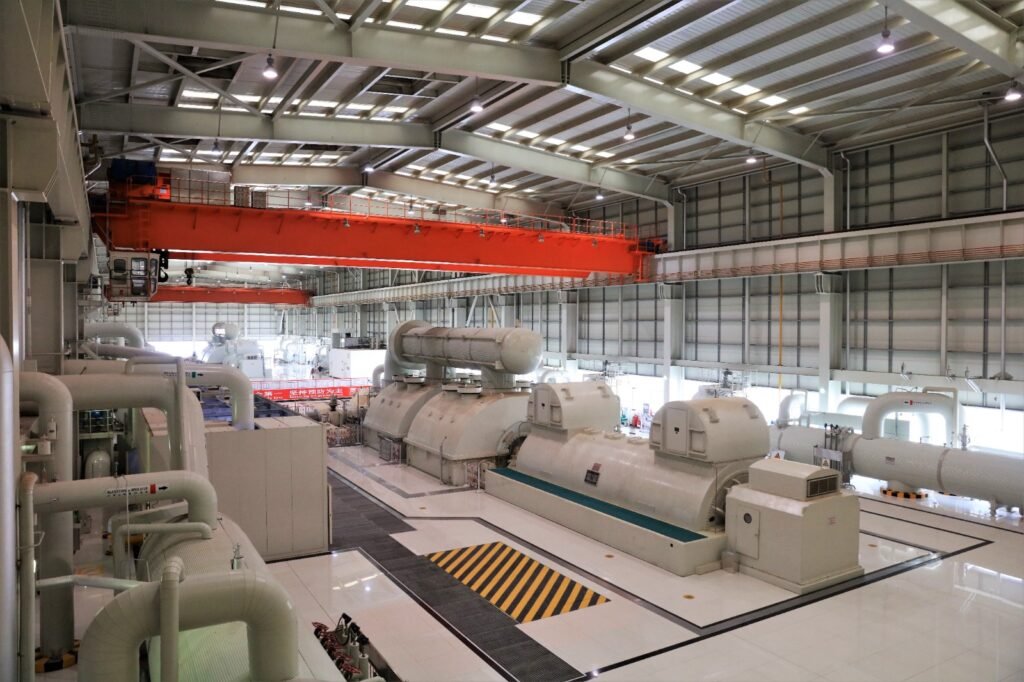
The plant explained that attempting to apply normal restart timelines in a complete system blackout scenario would have risked severe equipment damage and potentially worsened system instability. Synchronization, therefore, was carried out only after all operational, safety, and protection parameters were fully satisfied.
After reviewing the submissions and hearing the detailed technical explanation, NEPRA concluded that the synchronization timeline was justified and unavoidable under the prevailing conditions. The Authority accepted the company’s response and formally closed the matter without imposing any fine or penalty.
This outcome is particularly significant when viewed against the backdrop of past enforcement actions in the sector. Avoiding financial penalties not only safeguarded the company’s financial position but also reinforced its credibility as a responsible and technically compliant generation company.
Highest-Ever HSE Audit Score: 96 Marks in 2024–2025
While the closure of the blackout inquiry reflects regulatory vindication, the second major development demonstrates sustained operational excellence.
In the Annual Health, Safety & Environment (HSE) Audit for the year 2024–2025 conducted under NEPRA’s regulatory oversight framework, the Sahiwal Power Plant secured an exceptional score of 96 marks, the highest in its history.
This achievement represents a remarkable upward trajectory over the past five years:
* 66 marks
* 87 marks
* 93 marks
* 95 marks
* 96 marks (2024–2025)
The progression clearly illustrates a structured and continuous improvement strategy within the HSE department. From a relatively modest score of 66 to a near-perfect 96, the plant has demonstrated year-on-year advancement in safety culture, environmental compliance, documentation, training standards, and risk management systems.
According to the audit observations, the plant’s performance was clearly admired and appreciated by NEPRA. The report highlighted the systematic strengthening of:
* Workplace safety protocols
* Emergency preparedness systems
* Environmental monitoring mechanisms
* Hazard identification and risk mitigation processes
* Staff awareness and compliance training
Such performance does not emerge overnight. It reflects institutional commitment, consistent leadership focus, and disciplined implementation of international best practices aligned with regulatory requirements.
What Makes the HSE Performance Remarkable?
Health, Safety & Environment compliance is not merely a regulatory obligation for a large coal-fired power plant — it is central to sustainable operations. Coal-based generation facilities operate under strict environmental scrutiny due to emissions, waste handling, and industrial safety risks.
Achieving a 96% score in an annual regulatory audit indicates that:
1. Emission control systems are functioning within permissible limits.
2. Occupational safety standards are being actively enforced.
3. Environmental reporting and monitoring systems are transparent and accurate.
4. Safety incidents are effectively minimized through preventive systems.
The consistent improvement from 66 to 96 marks over four consecutive years demonstrates not just compliance, but transformation. It reflects the maturity of internal systems and the evolution of a strong safety culture embedded across departments.
The improvement curve itself is noteworthy. Moving from 66 to 87 marks signalled foundational reforms. Advancing further to 93 and 95 indicated consolidation. Achieving 96 marks confirms near-optimal compliance and operational discipline.
Dual Validation: Regulatory and Operational Excellence
Taken together, the two developments represent dual validation from the regulator:
1. Technical Justification in Crisis Management – The plant successfully demonstrated that its actions during a nationwide blackout were prudent, technically justified, and aligned with safety requirements.
2. Proactive Compliance in Routine Operations – The plant achieved its highest HSE audit score, reflecting excellence in day-to-day operational governance.
In regulatory environments, credibility is built not only through compliance during normal conditions but also through responsible conduct during extraordinary events. The blackout proceedings tested crisis management capabilities, while the HSE audit assessed routine governance discipline. Success in both areas signals institutional robustness.
Strategic Impact on the Organization
The closure of the blackout inquiry without penalty eliminates potential financial exposure and reputational risk. In a highly regulated power sector, avoiding regulatory sanctions strengthens investor confidence and reinforces trust with system operators.
Meanwhile, achieving the highest-ever HSE score enhances the plant’s standing within the national power generation landscape. Strong safety and environmental credentials are increasingly important for long-term sustainability, particularly in conventional generation projects operating in evolving regulatory frameworks.
Together, these outcomes:
* Safeguard financial stability
* Strengthen regulatory relationships
* Reinforce technical credibility
* Demonstrate commitment to safety and environmental stewardship
A Model of Continuous Improvement
The story of the Sahiwal Power Plant over the past year is ultimately a story of resilience and improvement. From navigating a high-stakes blackout inquiry to setting a new benchmark in HSE performance, the plant has demonstrated that operational excellence and regulatory compliance can go hand in hand.
The steady climb in audit scores reflects structured improvement rather than isolated achievement. The successful defense in the blackout matter reflects technical preparedness and disciplined adherence to safety-first principles.
In an industry where reliability, compliance, and safety are non-negotiable, these twin milestones position the 1320MW Sahiwal Power Plant as a strong example of responsible power generation under regulatory oversight.
As the plant moves forward, the combination of crisis-tested technical capability and record-setting safety performance lays a solid foundation for sustained operational excellence in the years ahead.