

Staff Reporter
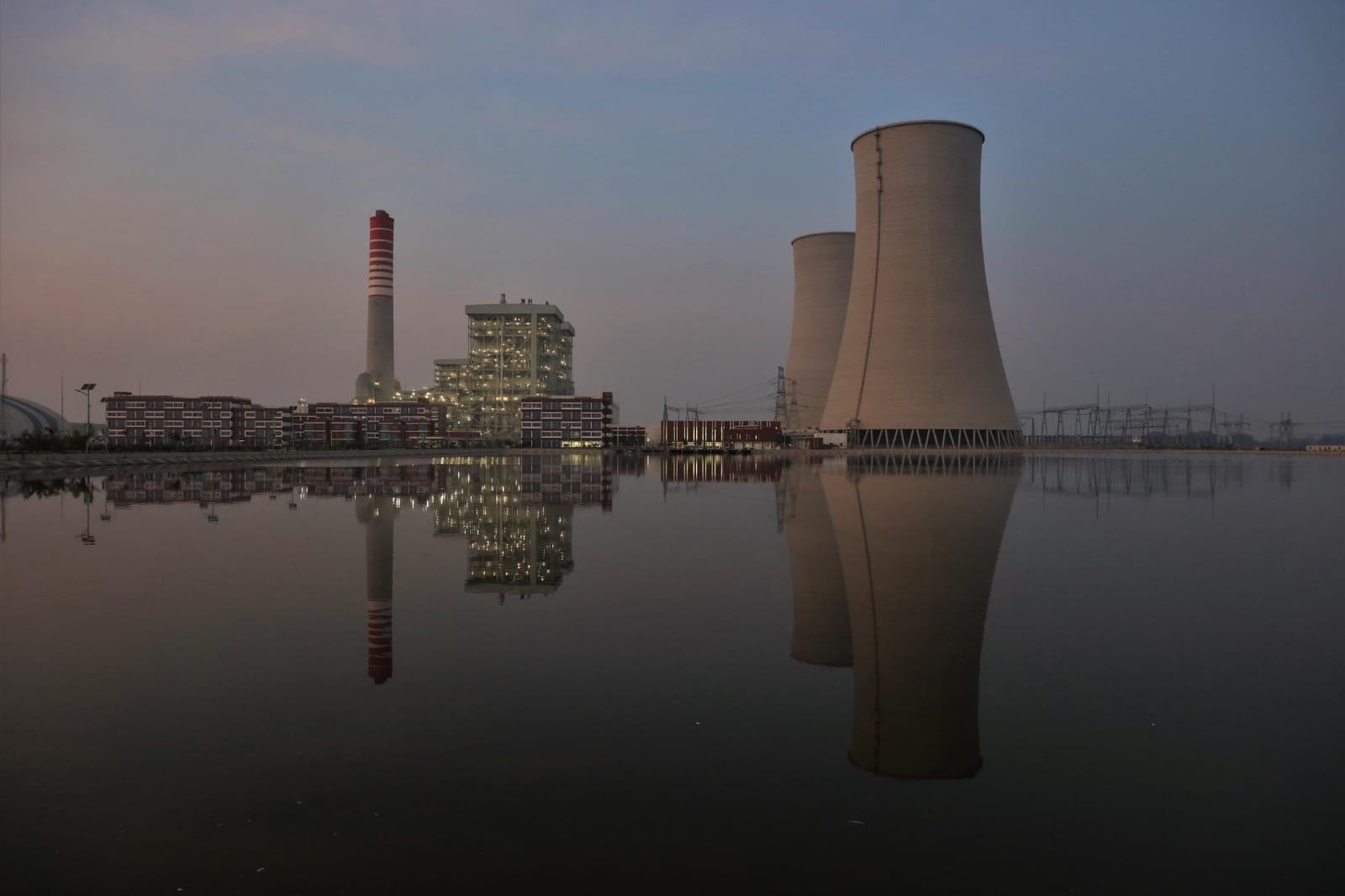
The 1320MW Sahiwal Power Plant has played an important role in Pakistan’s power sector since its commissioning in 2017. Located in Qadarabad, Sahiwal, the 2x660MW project has not only strengthened the national electricity supply but has also brought significant economic and social changes to the communities living around it. For a region traditionally dependent on agriculture, livestock and small-scale businesses, the arrival of a major power project introduced new employment opportunities, technical skills, commercial activity and exposure to a modern industrial environment.
The impact of the plant is perhaps best understood by looking beyond the electricity it produces and examining the livelihoods that have developed around it. During the construction phase, thousands of workers were engaged in different activities, providing employment to people from the surrounding areas. For many, this meant moving from irregular daily-wage work to more stable employment. Construction also introduced local workers to industrial machinery, safety procedures and professional work practices that were relatively new to the rural economy.
With the completion of the project, this economic activity did not disappear. The operational requirements of a 1320MW power plant created continuing demand for engineers, technicians, operators, maintenance workers, drivers, security personnel, administrative staff and other service providers. Contractors and third-party companies supporting the plant have further expanded employment opportunities for people from Sahiwal and nearby districts.
The economic influence extends considerably beyond those directly associated with the plant. A large industrial facility requires a network of businesses to keep its operations running. Transportation, catering, accommodation, equipment supply, maintenance, construction, logistics and other services have created opportunities for local entrepreneurs and vendors.
This has produced a multiplier effect within the surrounding economy. Employees and contractors spend their earnings in local markets, supporting restaurants, shops, transporters and other small businesses. A person employed by a contractor may therefore indirectly support several other livelihoods through regular local spending. For small businesses in rural areas, the presence of a large and stable industrial customer base can make a significant difference.
One of the most lasting contributions of the project has been the development of technical expertise. Operating a modern thermal power plant requires specialized knowledge in electrical, mechanical, instrumentation, control systems, operations, maintenance and safety. Pakistani engineers and technicians working at the plant have gained practical experience with advanced power-generation equipment and international operational practices.
The involvement of Chinese professionals has also contributed to knowledge transfer. Local employees have worked alongside experienced Chinese engineers and managers, gaining exposure to different technical approaches, management systems and professional standards. For many young engineers and technicians, the plant has therefore served not simply as a workplace but as an important stage in their professional development.
Training opportunities have further strengthened this impact. Technical training initiatives associated with the project have provided young people with opportunities to acquire practical skills that can be used across the industrial sector. Skills in areas such as welding, electrical work, computer applications and power plant operations can provide young people with employment options extending beyond Sahiwal.
This is particularly valuable for rural youth. A young person who may previously have had few alternatives to agriculture or daily-wage employment can acquire a technical qualification and compete for jobs in power plants, factories, construction companies, maintenance organizations and other industries. In this sense, vocational education can create a long-term benefit that continues even when an individual is no longer directly associated with the project.
The project has also strengthened the connection between surrounding villages and the wider industrial economy. Infrastructure developed or improved to support the movement of employees, equipment and supplies has also benefited local communities. Better road connectivity and transportation make it easier for residents to reach markets, educational institutions, healthcare facilities and employment centers.
For farmers and traders, improved connectivity can reduce transportation difficulties and make access to markets easier. For workers, it can reduce the time and cost of commuting. These may seem like modest changes, but for rural communities they can have a meaningful effect on economic activity and quality of life.
The impact of employment is also reflected at the household level. A stable income gives families greater financial security and the ability to make longer-term decisions. Children can receive better educational opportunities, families can improve their homes, healthcare becomes more accessible and households can invest in vehicles, businesses or savings.
These changes are difficult to capture in a single statistic, but they represent an important form of socioeconomic progress. Behind every job created by the project is a family whose financial circumstances may have improved.
The plant has also contributed to greater interaction between local communities and Chinese professionals. The presence of Chinese personnel in Sahiwal has created opportunities for cultural exchange alongside technical cooperation. Pakistani employees have experienced Chinese working practices, while Chinese professionals have developed a closer understanding of the local community and culture.
This people-to-people interaction is an important but sometimes overlooked aspect of large infrastructure projects under CPEC. Beyond physical infrastructure and investment, such projects can create lasting professional relationships and exchange of knowledge between the two countries.
The plant’s role in community development has extended beyond employment and commercial activity. Various initiatives related to technical education, environmental awareness, tree plantation and local community support have added a social dimension to the project’s presence in the region.
For a major industrial facility, being a responsible member of the surrounding community is as important as maintaining reliable operations. Community initiatives can help address local needs while building a stronger relationship between the plant and the people living around it.
The real transformation brought by the Sahiwal Power Plant can therefore be seen through individual stories. It is the worker who moved from uncertain daily employment to a stable job. It is the technician who developed specialized skills and progressed professionally. It is the young person who received technical training and gained access to industrial employment. It is the transporter who found regular business through plant-related activities. It is the local shopkeeper or restaurant owner whose customer base expanded because of the growing industrial community.
Individually, these stories may appear modest. Collectively, they demonstrate how a large industrial project can influence an entire local economy.
The challenge for the future is to build upon these foundations. Continued local recruitment, vocational training, apprenticeships, development of local suppliers and community-focused initiatives can help ensure that the benefits of the project reach an even larger number of people.
The Sahiwal Power Plant was established primarily to generate electricity, but its impact on the region cannot be measured only in megawatts. Its presence has helped introduce new forms of employment, encouraged technical development, supported local businesses and connected rural communities with a modern industrial environment.
For the surrounding population, the most important outcome may ultimately be the expansion of choices. A young person has more opportunities to learn a skill. A worker has a chance to build a career. A small business has access to new customers. A family has the possibility of a more stable income and a better future.
The 1320MW Sahiwal Power Plant therefore represents more than a major power-generation facility. Its electricity supports homes, businesses and industries across Pakistan, while its economic and social footprint continues to shape the lives of people living around it. Its lasting legacy in Sahiwal may well be measured not only by the power it generates, but by the opportunities it has helped create for the people of the region.

