

Staff Reporter
SAHIWAL
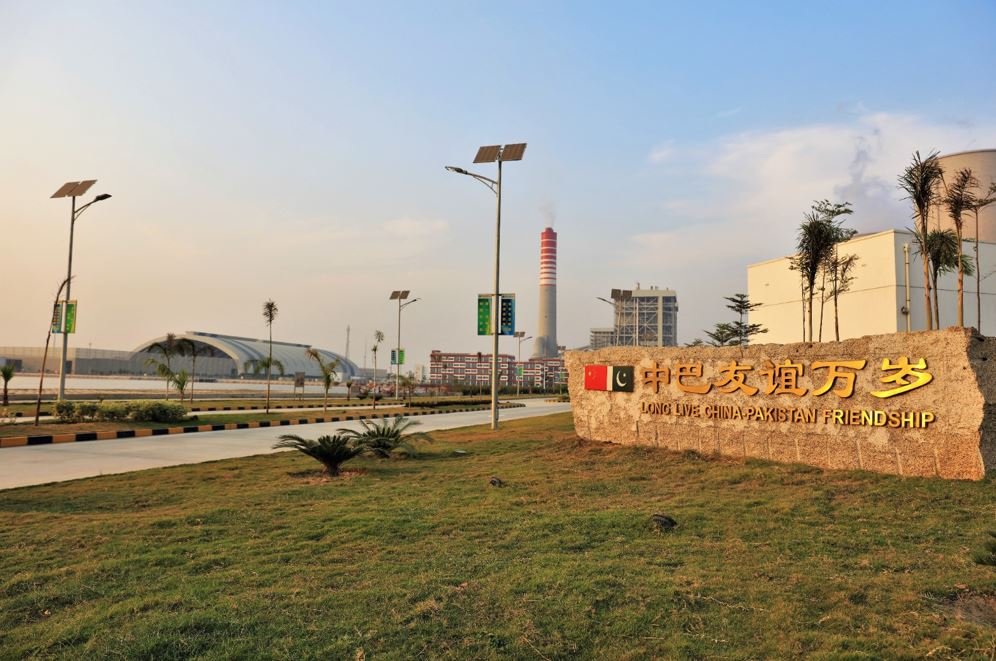
Every large power station reaches a point where the best way to keep delivering electricity is to pause generation and give its machinery the care it needs. From 1 October 2026, Unit-2 of the 1,320 MW Sahiwal Coal-Fired Power Plant begins its scheduled maintenance. The outage has been approved by the National Power Construction Corporation (NPCC) and forms part of the plant’s long-term commitment to safe, efficient and dependable operation. With two 660 MW supercritical units serving the national grid, Sahiwal is a cornerstone of Pakistan’s power supply, and keeping each unit in top condition is a responsibility the plant takes seriously.
Planned maintenance is not a sign of trouble. It is a sign of good management. Equipment that operates at high temperature and pressure for thousands of hours needs regular inspection, cleaning, testing and renewal. By addressing wear before it turns into failure, the plant protects the grid from sudden interruptions and protects its own assets for the years ahead. A scheduled outage can be timed, prepared and coordinated in advance, with materials, specialist personnel and safety arrangements all in place before work begins. An unplanned breakdown offers none of these advantages and usually costs more and takes longer to resolve.
The boiler is the heart of any coal-fired unit, and it naturally receives close attention during an overhaul. Its tubes carry steam at very high pressure and temperature, so engineers examine them carefully for erosion, corrosion and scaling. Heat-transfer surfaces are cleaned to restore efficiency, pressure parts are checked for integrity, and any component that does not meet the required standard is repaired or replaced. This work matters because boiler condition directly affects how much fuel is needed for each unit of electricity, and how safely and steadily the unit can run between outages.
The turbine and generator are equally important. These machines rotate at high speed and depend on precise clearances, healthy bearings and well-maintained seals. During the maintenance period, technicians inspect blades, seals, bearings and other rotating parts, and they use the performance and vibration data collected during normal operation to decide where to look first. Careful work here helps the unit run smoothly and quietly once it returns to service, and it reduces the risk of faults that could otherwise force a shutdown at an inconvenient time for the grid.
Beyond the main equipment, a power unit relies on a large group of supporting systems. Coal mills, fans, feed pumps, valves, heat exchangers and cooling systems all work continuously, and any one of them can cause a unit trip if it fails. The maintenance program therefore includes servicing and testing of these auxiliary systems. Individually they may seem minor, but together they determine whether a unit runs reliably for months at a stretch. Attention to detail on these components is often what separates a plant with excellent availability from one that is frequently interrupted.
Environmental protection is built into the plant’s design, and it remains part of the maintenance effort. The electrostatic precipitators, the flue gas desulfurization system and the continuous emissions monitoring equipment all receive inspection, servicing and calibration. Maintaining them ensures that Unit-2 returns to service with its pollution controls working as they were designed to work. For a plant that takes pride in operating within national and international environmental standards, keeping these systems in first-class condition is as important as keeping the boiler and turbine healthy.
The electrical and control systems are the unit’s safeguards. Protection relays, transformers, switchgear and the plant’s control systems are tested and checked so that they respond correctly to any fault or disturbance, whether inside the plant or on the wider grid. These systems rarely attract attention when they work well, but they are essential to the safety of equipment and people alike. Verifying them thoroughly during a planned outage gives the operators confidence that the unit will behave as expected when it is synchronized and loaded again.
Safety is the first priority throughout the outage. Overhaul work involves many people working at height, in confined spaces and close to high-energy equipment, so strict procedures apply from the first day. Equipment is isolated and locked out before anyone works on it, work is carried out under permit-to-work controls, and teams receive safety briefings before each task. Contractors are supervised, site access is controlled, and waste and materials are handled with care for both people and the environment. The goal is simple: every job done properly, and every worker going home safe at the end of the day.
A maintenance program of this size is a team effort. Operations, maintenance, engineering and health, safety and environment departments work together, along with contractors and support staff, and clear communication between them is what allows complex work to be completed on schedule and to a high standard. The outage is also a valuable learning opportunity. Major equipment is rarely opened up during normal operation, so younger engineers and technicians gain hands-on experience they cannot get at any other time. That transfer of knowledge strengthens the skills of Pakistan’s own power sector workforce.
Finishing the physical work is not the end of the process. Before Unit-2 is reconnected to the grid, it goes through a structured sequence of checks and tests, including boiler light-up, turbine run-up, synchronization and a gradual increase in load. Each stage has defined criteria, and any issue found is resolved before the next step begins. This patient approach may seem slow, but it ensures the unit returns to full output in a stable and controlled manner and is ready to run reliably through the next operating period.
The benefits of this work reach well beyond the plant fence. A well-maintained unit burns fuel more efficiently, runs more dependably and is better able to respond when demand on the grid is high. That improved availability benefits the system operator and, in the end, electricity consumers across the country. Sahiwal is also a flagship energy project under the China-Pakistan Economic Corridor, and regular, high-quality maintenance protects the significant investment it represents. The activity also brings work to skilled technicians, contractors and local suppliers in the surrounding region.
Behind every unit of electricity that reaches a home, a factory, a farm or a hospital lies a great deal of unseen work, carried out by people who understand that reliability is built long before a fault appears. The Unit-2 maintenance is one more example of that work. When the unit returns to service, it will do so thoroughly inspected, carefully tested and ready for the next operating cycle. For the Sahiwal Power Plant, the message is clear: dependable power depends on disciplined maintenance, and the plant remains committed to delivering both for the people of Pakistan.

