

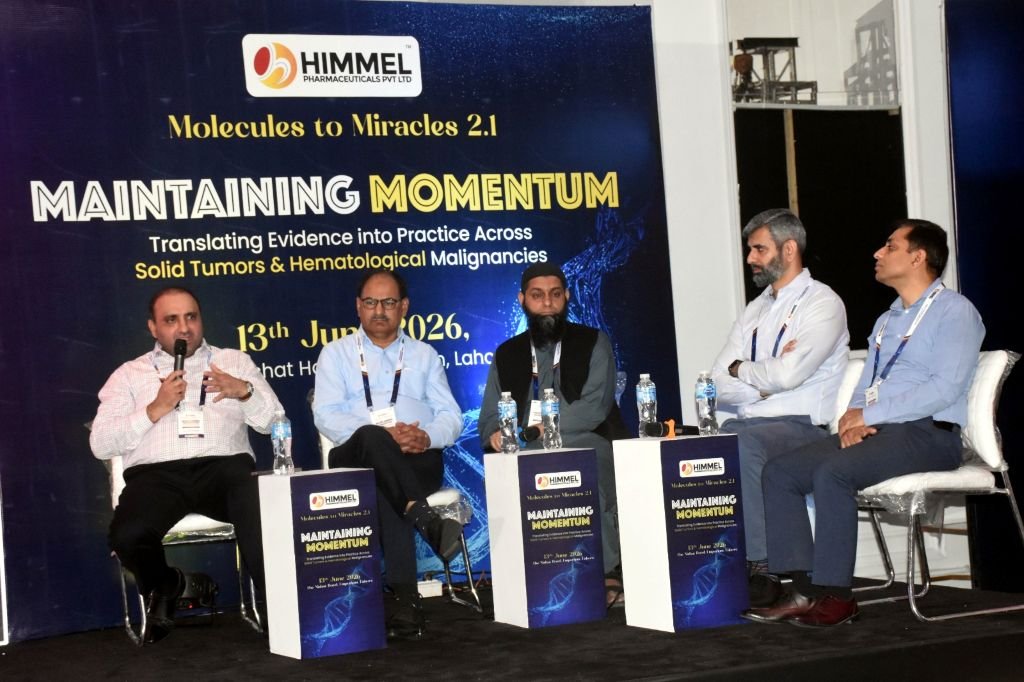

LAHORE, June 14 (ABC): Hamel Pharmaceuticals organized a national scientific conference in Lahore titled “Molecules to Miracles 2.1” to promote modern cancer treatment and strengthen the link between global research and local clinical practice. The event brought together leading oncologists, hematologists, medical experts, and senior physicians from across Pakistan. The company also launched six new targeted therapy medicines during the conference.
Experts discuss latest cancer therapies
The conference focused on recent advances in the treatment of breast cancer, lung cancer, gastrointestinal cancers, and blood malignancies. Experts discussed targeted therapies, precision medicine, molecular diagnostics, and emerging treatment strategies.
Moreover, participants examined how modern technologies are transforming cancer diagnosis and treatment. They also highlighted the growing role of personalized medicine in improving patient outcomes.
Need to integrate research into clinical practice
In their opening remarks, Professor Dr. Kausar Bano, Head of Oncology at Jinnah Hospital Lahore, and Professor Abbas Khokhar stressed the importance of integrating modern scientific research into routine clinical practice.
They said scientific forums help improve healthcare standards. In addition, such events increase patients’ access to advanced and effective treatment options.
Precision medicine shaping future of cancer care
Speaking at the conference, Dr. Usman Amin Butt, Director of Hamel Pharmaceuticals, said cancer treatment is entering a new era. According to him, precision medicine, molecular testing, and targeted therapies are improving treatment outcomes significantly.
Furthermore, he reaffirmed the company’s commitment to connecting global medical research with local clinical expertise. He said Hamel Pharmaceuticals will continue organizing scientific platforms to support knowledge sharing and innovation.
New findings presented on cancer treatments
During the conference, experts presented research on new medicines and treatment approaches for breast cancer, lung cancer, gastrointestinal cancers, Acute Myeloid Leukemia, Chronic Myeloid Leukemia, and Chronic Lymphocytic Leukemia.
Meanwhile, speakers highlighted the potential of targeted therapies and evidence-based treatment strategies. They said these approaches can deliver better outcomes and long-term benefits for cancer patients.
Collaboration key to better patient care
Prominent cancer and hematology specialists from different cities attended the conference. They shared their experiences and discussed the latest developments in research, treatment, and patient care.
At the conclusion of the event, participants agreed that advanced research, collaboration, precision medicine, and continuous scientific education will shape the future of cancer treatment in Pakistan.
As a result, they said ongoing scientific progress and innovative therapies are creating new opportunities for patients and improving quality of life across the country.