


Staff Reporter
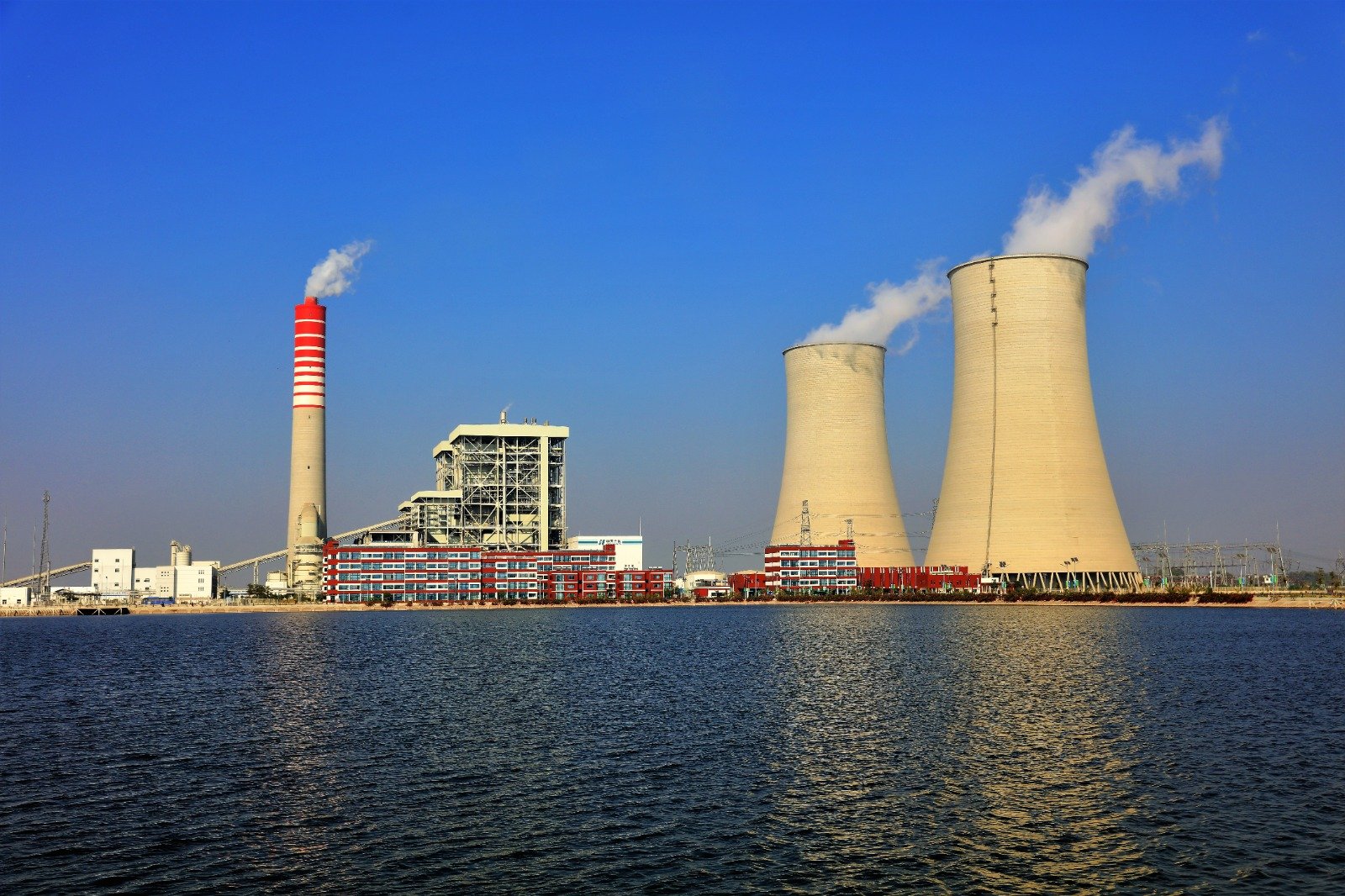
The evolution of Pakistan’s energy sector has been marked by periods of acute crisis and transformative recovery. Among the many infrastructure projects initiated to address chronic electricity shortages, the Sahiwal Coal Power Plant stands out as a defining milestone. Commissioned in 2017, this 1,320 MW supercritical coal-fired facility has played a pivotal role in reshaping the reliability, stability, and operational dynamics of Pakistan’s national electric grid.
The legacy of the Sahiwal Power Plant is not confined to its installed capacity alone; rather, it extends into multiple dimensions grid stability, energy security, technological advancement, economic activity, and policy direction. Over the years, it has transitioned from being a crisis-response project to becoming a cornerstone of Pakistan’s baseload power infrastructure.
Pakistan entered the 2010s with a severe electricity shortfall that disrupted industrial productivity, economic growth, and daily life. Prolonged load shedding, sometimes extending beyond 12–16 hours in urban and rural areas, highlighted the urgency of adding large-scale generation capacity. The Sahiwal Coal Power Project emerged as part of a broader strategy under the China-Pakistan Economic Corridor (CPEC) to rapidly inject reliable power into the national grid. Built in record time approximately 22 months, it symbolized a shift from slow-moving public sector projects to fast-track, internationally financed infrastructure development.
Its commissioning in May-July 2017 marked a turning point. The Sahiwal Power Plant is Pakistan’s first supercritical coal-fired power facility, consisting of two 660 MW units. This technology operates at higher temperature and pressure than conventional coal plants, resulting in improved efficiency and relatively lower emissions per unit of electricity generated. Unlike hydropower or renewables, which are subject to seasonal or weather variability, the Sahiwal plant provides continuous, stable electricity. Its integration with the National Transmission & Dispatch Company (NTDC) network strengthened inter-regional power flows and reduced transmission stress. These characteristics made Sahiwal not just a power producer but a stabilizing force within Pakistan’s electricity system.
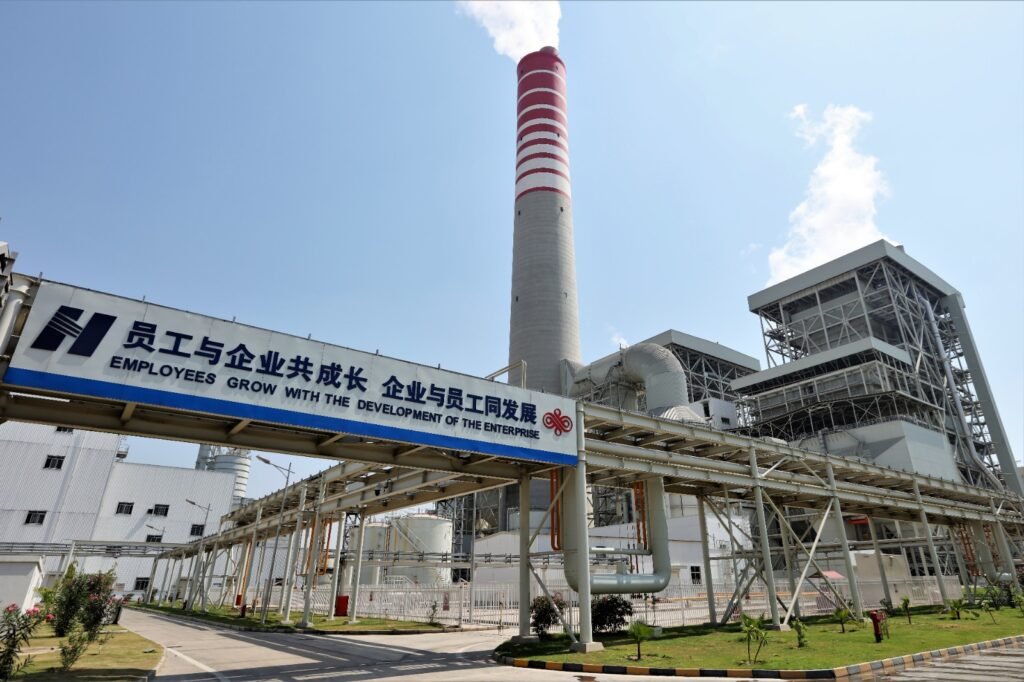
One of the defining features of the Sahiwal Power Plant’s legacy is its consistent operational performance. Since its commercial operation in October 2017, the plant has repeatedly demonstrated high reliability and efficiency. Annual capacity tests conducted by national regulatory bodies have shown the plant exceeding its benchmark generation levels. In recent years, it has achieved outputs close to or above its rated capacity during testing, reflecting strong practices.
Over nearly a decade, the plant has built a reputation as one of the most dependable thermal power facilities in Pakistan, contributing to uninterrupted energy supply even during peak demand periods. Energy security is a critical concern for Pakistan, given its reliance on imported fuels and fluctuating hydropower output. The Sahiwal Power Plant has significantly strengthened this aspect of the national grid.
Its role becomes particularly crucial during high-demand summer seasons, when grid stability is often challenged. By ensuring uninterrupted generation, the plant has helped mitigate the risk of widespread power outages. Beyond its technical contributions, the Sahiwal Power Plant has had far-reaching economic implications. Reliable electricity has enabled industries to operate at higher capacity, reducing downtime caused by power outages. This improvement has directly contributed to increased productivity in manufacturing, textiles, and other energy-intensive sectors. The surrounding region has also benefited from improved infrastructure.
While the Sahiwal Power Plant has been instrumental in addressing Pakistan’s energy crisis, it has not been without criticism. However, the use of supercritical technology at Sahiwal offers relatively better efficiency and reduced emissions compared to older coal plants. The plant is designed to operate with improved combustion efficiency, which helps lower the environmental footprint per unit of electricity generated. Environmental management systems and regulatory compliance measures have also been implemented to mitigate adverse impacts.
The Sahiwal Power Plant is one of the flagship projects under CPEC, it reflects a successful model of infrastructure development driven by foreign investment and technical expertise. Its timely completion and operational success have strengthened bilateral economic ties and demonstrated the potential of cooperative development initiatives.
The legacy of the Sahiwal Power Plant is deeply intertwined with the evolution of Pakistan’s national grid system. First, it contributed significantly to shifting Pakistan from a severe power deficit toward a more stable supply situation. The addition of large-scale generation capacity helped reduce the frequency and duration of load shedding. Second, it reinforced the importance of baseload stability in a grid that is gradually incorporating renewable energy sources. While solar and wind power are essential for the future, they require stable generation sources like Sahiwal to maintain overall system balance. Third, the plant introduced higher standards of operational monitoring, regulatory compliance, and performance evaluation. These practices have influenced the broader power sector, promoting efficiency and accountability.
Finally, it has provided valuable lessons in project execution, operational management, and grid integration, shaping future planning and policy decisions in Pakistan’s energy sector. Behind the infrastructure lies a human story of dedication and expertise. Engineers, operators, and maintenance personnel have played a crucial role in sustaining the plant’s performance over the years. Looking ahead, the plant is expected to remain a key component of Pakistan’s energy mix, particularly as a reliable baseload provider. However, its role may evolve alongside the expansion of renewable energy and advancements in energy storage technologies.
The Sahiwal Power Plant represents a landmark achievement in Pakistan’s energy history. From alleviating severe electricity shortages to enhancing grid stability and supporting economic growth, its contributions have been both immediate and enduring. Its legacy is multifaceted: a symbol of rapid infrastructure development, a pillar of national grid reliability, a case study in operational excellence, and a catalyst for economic and industrial progress.
As Pakistan continues its journey toward a more resilient and diversified energy system, the Sahiwal Power Plant will remain a defining reference point, illustrating both the successes achieved and the challenges that lie ahead in the pursuit of energy security and sustainability.