

STAFF REPORTER
SAHIWAL: Pakistan’s electricity sector is experiencing one of the most significant transformations in its history. Over the past few years, the rapid deployment of distributed rooftop solar photovoltaic (PV) systems has fundamentally altered the country’s electricity demand profile. Declining solar equipment prices, rising retail electricity tariffs, improvements in net metering policies, and growing consumer awareness have accelerated the adoption of rooftop solar across residential, commercial, agricultural, and industrial sectors. What was once considered a niche technology has evolved into a major contributor to daytime electricity supply.
This transition represents an important milestone in Pakistan’s pursuit of a cleaner and more diversified energy mix. However, it has also introduced a new set of operational complexities for the national power system. Unlike conventional power plants that generate electricity according to dispatch instructions, rooftop solar generation is inherently weather dependent and largely invisible to system operators because it is installed behind consumers’ electricity meters. As a result, Pakistan’s National Grid Company (NGC) and the Independent System and Market Operator (ISMO) must now operate a power system in which electricity demand seen by the grid no longer reflects consumers’ actual consumption but rather the residual demand remaining after behind the meter solar generation has met a significant portion of daytime loads.
The consequences of this transformation are becoming increasingly evident in the country’s daily load curve. During sunny mornings and afternoons, particularly between approximately 9:00 a.m. and 4:00 p.m., rooftop solar generation substantially reduces the electricity drawn from the national grid. Consequently, system demand reaches unusually low levels compared with historical trends. However, as the sun sets and photovoltaic output rapidly declines, millions of consumers simultaneously return to grid supplied electricity. Within only a few hours, system demand rises sharply, creating a steep evening ramp that dispatchable generating units must accommodate. This changing demand profile closely resembles the well known “duck curve,” first observed in California and now emerging as a defining operational characteristic of Pakistan’s power system.
The implications extend far beyond simple changes in electricity demand. Power systems must maintain an instantaneous balance between generation and consumption at all times. Even relatively small imbalances can cause frequency deviations that threaten equipment reliability and overall grid security. In a power system increasingly influenced by variable renewable energy, maintaining this balance becomes considerably more challenging. During daylight hours, conventional thermal generating units are frequently required to reduce output to minimum stable operating levels. Large steam based generating stations, however, are designed to operate most efficiently under stable loading conditions. Frequent deep load reductions, repeated cycling, and rapid ramping increase thermal stresses on boilers, turbines, and auxiliary equipment, reduce overall plant efficiency, and elevate maintenance requirements over the long term.
Another emerging challenge lies in the changing technical characteristics of the power system itself. Conventional synchronous generators naturally provide rotational inertia, an essential property that slows the rate of frequency change following sudden disturbances such as generator trips or transmission line faults. In contrast, inverter based rooftop solar systems contribute very little physical inertia to the grid. As solar penetration increases, the overall inertia of the interconnected system declines, making frequency control more demanding and increasing the importance of large synchronous generating units that remain connected to the network. Simultaneously, reactive power management and voltage regulation become increasingly complex because distributed solar generation can significantly alter local power flows across transmission and distribution networks.
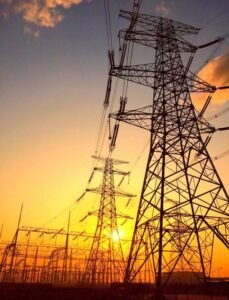
Pakistan’s transmission system presents additional considerations. Major electricity demand is concentrated in Punjab, while a significant proportion of generation is located elsewhere in the country, including hydroelectric facilities in the north and energy projects in the southern corridor. During periods of high renewable output, power flow patterns become increasingly dynamic, placing greater emphasis on maintaining voltage stability and minimizing transmission congestion across the national network. Consequently, the geographical location of dispatchable generating stations has become as strategically important as their installed capacity.
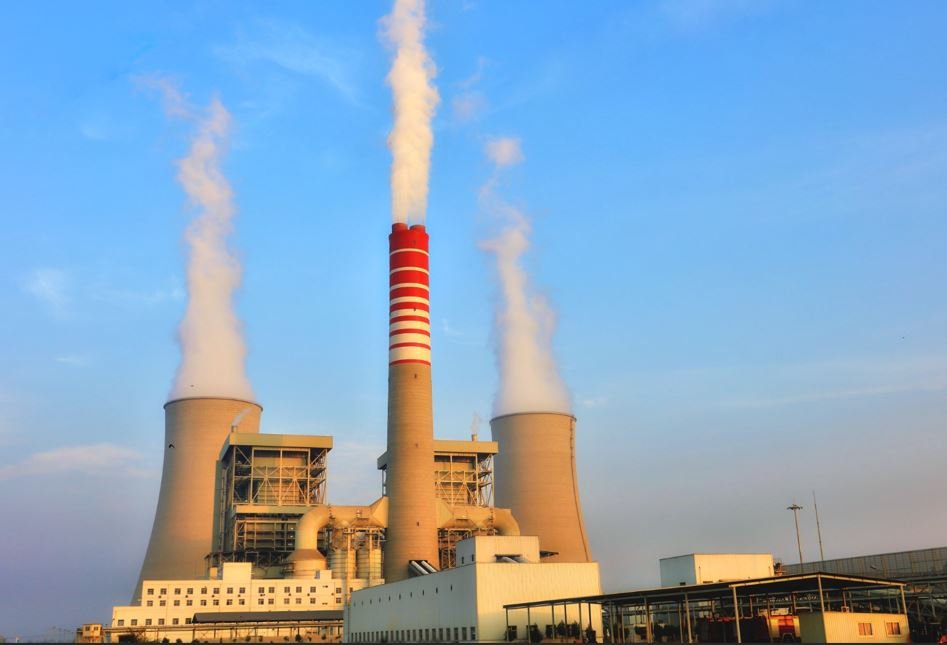
Within this evolving landscape, the 1,320 MW Sahiwal Coal Fired Power Plant occupies a uniquely significant position in Pakistan’s electricity infrastructure. Located in the heart of Punjab, the country’s largest electricity demand center, the plant provides dependable bulk generation precisely where consumption is highest. This strategic positioning reduces the requirement for long distance transmission of large quantities of electricity, alleviates loading on critical transmission corridors, lowers transmission losses, and supports stronger voltage profiles across the regional network. In modern power systems, generating electricity close to major demand centers enhances operational flexibility and strengthens overall system resilience. This advantage becomes even more valuable as electricity demand patterns become increasingly volatile.
The operational role of the Sahiwal Coal Fired Power Plant extends well beyond supplying megawatts to the national grid. Equipped with advanced control systems, modern excitation equipment, Automatic Voltage Regulators (AVR), and Power System Stabilizers (PSS), the plant actively contributes to maintaining voltage stability and damping power system oscillations. These ancillary services are becoming increasingly critical as Pakistan integrates larger proportions of inverter based renewable generation, whose operational characteristics differ fundamentally from those of conventional synchronous machines. By continuously supporting voltage regulation and reactive power management, the plant enhances the reliability of electricity supply throughout the interconnected transmission network.
Equally important is the contribution of the plant’s large synchronous generators to system inertia and frequency stability. During unexpected disturbances, such as the sudden loss of a transmission line, an unplanned generator outage, or abrupt changes in renewable generation, rotational inertia stored within the generators provides an immediate stabilizing response before automatic control systems intervene. This natural characteristic helps limit the rate of frequency decline, providing valuable time for governors, automatic generation control, and other system protection mechanisms to restore equilibrium. As Pakistan’s renewable energy capacity continues to expand, maintaining sufficient synchronous generation connected to the grid will remain fundamental to preserving secure system operation.
The Sahiwal Coal Fired Power Plant also plays a vital role in managing Pakistan’s increasingly pronounced evening demand ramp. During daylight hours, rooftop solar significantly suppresses the demand observed by the national grid. However, when solar production rapidly diminishes at sunset, dispatchable generating stations must promptly increase their contribution to satisfy rising electricity requirements. Plants capable of delivering stable, continuous output provide an essential foundation upon which system operators can balance more variable generation sources. In this regard, the Sahiwal facility serves as a dependable cornerstone of Pakistan’s dispatch portfolio, ensuring that electricity remains available precisely when renewable generation declines and consumer demand reaches its highest levels.
Importantly, the relationship between renewable energy and conventional thermal generation should not be viewed as one of competition but of complementarity. Solar photovoltaic systems excel at producing clean, low cost electricity during daylight hours, reducing fuel consumption and emissions. Conventional generating stations, meanwhile, provide the stability services, dispatchability, inertia, voltage support, reserve capacity, and reliability necessary to ensure that renewable energy can be integrated safely into the national grid. A resilient electricity system depends not on a single technology but on an optimized combination of diverse generation resources, each contributing according to its technical strengths.
As Pakistan advances toward a more sustainable energy future, the challenge facing system planners is no longer simply adding renewable generation but ensuring that the grid remains secure, stable, and reliable throughout this transition. In this evolving environment, strategically located dispatchable power stations assume responsibilities that extend well beyond energy production alone. Through dependable baseload generation, advanced grid support capabilities, and its advantageous location at the country’s principal load center, the Sahiwal Coal Fired Power Plant continues to play an indispensable role in supporting the National Grid Company and ISMO in maintaining frequency stability, voltage security, transmission reliability, and operational flexibility. Its contribution demonstrates that while the energy mix may be changing rapidly, modern conventional generating stations remain an essential partner in enabling Pakistan’s successful and reliable transition toward a cleaner, more resilient, and increasingly renewable electricity system.

